Review

What Golf Really Costs Per Year

Green fees rose 29% since 2019 — but so did inflation, at 27%. The real annual cost of golf by play frequency, with NGF data and honest math. What Golf Really Costs Per Year: The 2026 Numbers Golf’s reputation as an expensive sport is both earned and overstated, and the data on which is which has gotten considerably better recently. The National Golf Foundation’s April 2026 analysis found public green fees rose about 29 percent between 2019 and 2025 — a real increase that golfers noticed. Over the same period, general US inflation rose about 27 percent. In other words, golf got more expensive at almost exactly the rate everything else did. By comparison, NGF notes the cost of attending an NFL game rose around 50 percent over the same six years, and movie ticket prices jumped roughly 60 to 75 percent depending on the measure used. This article breaks down what golf actually costs annually at different play frequencies, where the money goes, how sharply it varies by state and course type, which cost-reduction strategies produce real savings, and where the published averages are misleading. The Headline Numbers Metric Figure Source Average 18-hole public/daily-fee green fee ~$41 NGF, April 2026 Average public 18-hole fee including discounts ~$37 NGF (excluding resorts) National average weekday rate (course-level tracking) $51 GreenFeeTracker, 9,342+ courses Green fee increase, 2019–2025 ~29% NGF US inflation, same period ~27% NGF comparison Golf participation growth, 2019–2025 +41%, nearing 50 million participants NGF Why Published Averages Differ So Much The $37, $41, and $51 figures above all describe “the average green fee” and differ by nearly 40 percent. This is worth understanding rather than glossing over. NGF tracks published peak-time fees, which are not always what golfers actually pay — discounting for twilight rounds, replays, local resident rates, and seasonality is widespread. When discounts are accounted for, NGF’s figure drops to around $37. GreenFeeTracker’s $51 reflects confirmed weekday rack rates across 210 markets, which captures a different slice. The practical takeaway on averages No single average describes what you will pay. Published rack rates overstate typical spending because discounting is pervasive; discount-adjusted averages understate peak weekend costs. Your own number depends on when you play, where, and whether you book at rack rate or through discount channels. Annual Cost by Play Frequency This is the number most golfers actually want. Figures below cover the all-in round cost — green fee plus cart where applicable — and exclude equipment purchases, lessons, and membership dues. Play Frequency Rounds per Year Estimated Annual Spend Occasional (monthly) ~12 $500–$900 Twice monthly ~24 $1,700–$3,100 Weekly ~52 $4,000–$7,000 Twice weekly ~104 $8,000–$14,000 The spread within each row reflects course selection more than anything else. A weekly golfer playing municipal courses at $30 to $40 including cart lands near the bottom; one playing daily-fee courses at $70 to $90 on weekends lands near the top — same number of rounds, roughly double the cost. Where the Money Goes Green Fees and Cart Fees Green fees dominate ongoing cost. Cart fees are the line item rising fastest: green fees rose an average of 4.2 percent in 2025 — the slowest annual increase since 2019 — while cart fees climbed 7.8 percent, driven by battery replacement costs and labor shortages. Walking instead of riding saves between $25 and $150 per round depending on the course, which makes it the single most effective ongoing cost reduction available to a golfer who is physically able to walk. Weekday Versus Weekend Weekend rates typically run $10 to $30 higher than weekday rates at most public courses. The gap is widest at resort and daily-fee tracks, where weekend rates can be 30 to 50 percent above weekday pricing. Municipal courses often charge the same rate both days, which is part of why they represent such good value for frequent players. Equipment Equipment is front-loaded rather than recurring. A complete new starter set including a bag typically costs around $400, which makes the entry barrier lower than most non-golfers assume. For replacement clubs, certified pre-owned programs offer meaningful savings: a driver retailing at $549 commonly runs around $329 certified pre-owned with warranty transfer — roughly 40 percent off for equipment two to three years old that performs at or near current-model levels. Lessons Frequently treated as optional and arguably shouldn’t be. Research cited in NGF materials found players investing in four to six focused lessons in their first three months cut average round scores by around 12 strokes within six months and retained interest at nearly double the rate of those who did not. The retention finding matters financially: a golfer who quits after one season has spent money on equipment that produces no further value. Lessons that keep someone playing convert a sunk equipment cost into an ongoing hobby. State and Regional Variation Location is the largest cost variable outside play frequency. GreenFeeTracker data across 210 markets in 49 states puts the national average weekday rate at $51, with Illinois lowest at a $34 state average. The spread is substantial: resort destinations in states like Oklahoma and Nevada can run $150 or more on peak days, while municipal courses in the Midwest and South regularly offer rounds under $25. Regionally, the least expensive golf is concentrated in the Midwest and South. Resort golf has diverged most sharply from local golf — average resort green fees climbed about 37 percent since 2019, notably above the 29 percent public-course increase, and more than half of US golf resorts now carry peak-season rates above $100. The Resort Pricing Caveat Resort pricing is dynamic, with discounts tied to seasonality, time of day, replay rounds, and local or resident rates. In sunbelt states like Florida and Arizona, the spread between peak-season and off-peak summer pricing can be very wide when temperatures climb. A resort course at $180 in February may be $65 in July. Memberships: When the Math Works Private club membership is the largest potential cost in golf. Average initiation fees now exceed $12,000, with

What Golf Really Costs Per Year Read More »
Push Cart vs Golf Cart vs Carry Bag: Honest Comparison

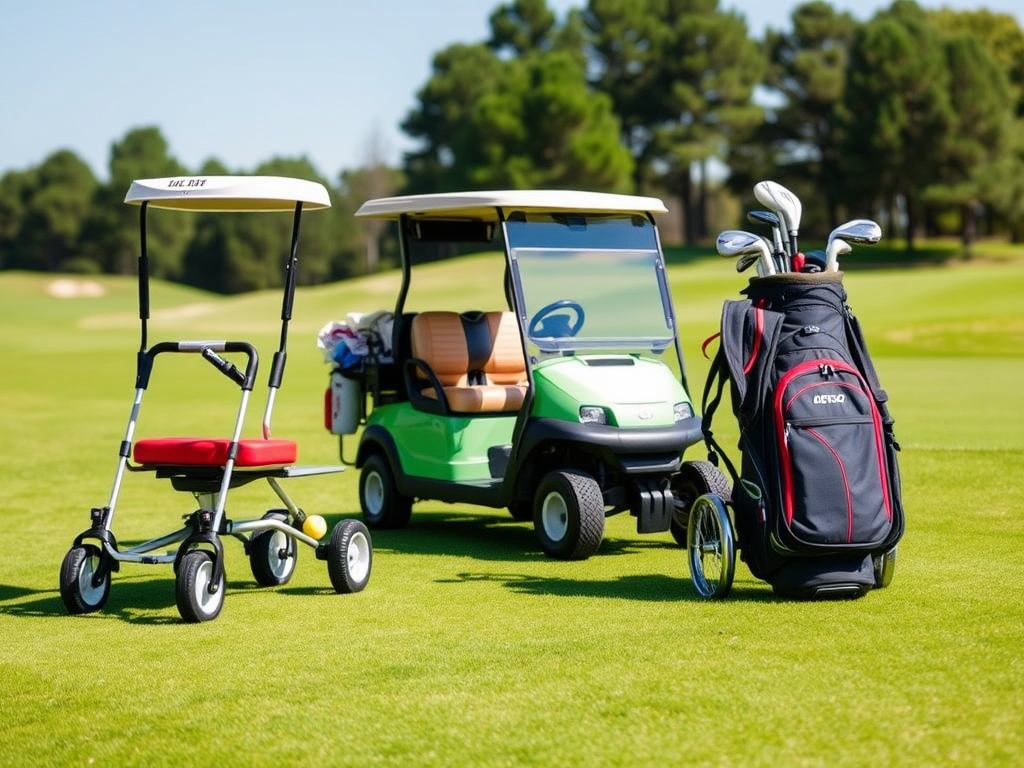
Push Cart vs Golf Cart vs Carry Bag: Honest Comparison

Push cart, riding cart, or carry bag? Real calorie data, scoring research, and cost math to help you choose how to get around the course Golf Push Cart vs Golf Cart vs Carry Bag: An Honest, Data-Backed Comparison How you move your clubs around eighteen holes is one of the few equipment decisions in golf that measurably affects three things at once: your health, your score, and your wallet. It is also one of the least examined. Most golfers default to whatever they started with — a carry bag from their beginner set, or a riding cart because that is what the course rents. The research on this is better than you would expect. Exercise physiologists have put golfers in VO2 masks and measured energy expenditure across all three modes. Golf associations have tracked scoring differences. And the results are not entirely what the marketing on either side would have you believe. This comparison covers what the studies actually found, where each option genuinely wins, the real cost math over one season and five seasons, and — importantly — the honest downsides of each. No option here is universally best, and anyone telling you otherwise is selling something. The Short Version If you… Choose Why Want maximum exercise with minimum joint strain Push cart Nearly the same calorie burn as carrying, without the shoulder and back load Play fast, carry little, walk short courses Carry bag Lightest option, no equipment to store or transport, cheapest by far Have mobility limitations, play in extreme heat, or need pace-of-play speed Riding cart Removes the physical barrier entirely; some courses mandate it Play 36 holes in a day or are recovering from injury Riding cart or electric push cart Fatigue management matters more than calorie burn over long days What the Research Actually Found The most frequently cited study on this question was conducted by the Colorado Golf Association in partnership with exercise physiologist Neil Wolkodoff. Ten golfers each played three separate nine-hole rounds — one with a push cart, one with an electric push cart, and one riding — while wearing VO2 measurement equipment. Calorie Burn by Transport Mode A separate frequently cited data set from the Rose Center for Health and Sports Sciences measured calorie expenditure across nine holes: Method Calories (9 holes) Relative to Riding Carrying your own clubs 721 +75% Push cart 718 +75% Walking with a caddie 613 +49% Riding in a motorized cart 411 baseline The finding that surprises most golfers Push cart: 718 calories. Carrying: 721 calories. That is a difference of three calories over nine holes — statistically meaningless. You get essentially the entire fitness benefit of carrying your bag while removing 15 to 30 pounds from your shoulders and back.   Other framings of the same underlying research put it differently: golfers walking with a push cart burn roughly 36 percent more calories per hour than those riding, with the gap widening over a full eighteen holes. Golf Digest’s coverage of the Wolkodoff study reported walkers burning almost 80 more calories per hour than riders. A Necessary Caveat on the Numbers Published calorie figures for golf vary enormously depending on methodology. A peer-reviewed review noted estimates for activity energy expenditure ranging from 531 to 2,467 kilocalories per eighteen holes — a nearly fivefold spread — attributed largely to differences in how researchers measured it. More conservative, ecologically valid measurements from Kasper et al. reported activity energy expenditure of roughly 650 to 750 kcal per eighteen-hole round, with no significant differences between carrying, push trolley, and electric trolley. That study did not include a riding group because it was conducted during a period when cart use was not permitted. The honest summary: walking clearly burns more than riding, and push cart is essentially equivalent to carrying. The precise numbers should be treated as directional rather than exact. The Scoring Data: Does Walking Actually Help Your Game? This is where the Wolkodoff study produced its most interesting finding. Over nine holes, scores relative to par broke down as follows: Transport Mode Score Over Par (9 holes) Self-Reported Mental Focus (of 10) Push cart 10.4 Higher than riding Electric push cart 10.2 6.63 Riding cart 11.5 5.01 Walkers finished roughly 1.1 to 1.3 strokes better over nine holes than riders, and rated their mental focus meaningfully higher. Wolkodoff’s own explanation was about decision-making rhythm: walking gives you time to think about the shot, rehearse it, and arrive at the ball prepared. In a cart you are holding on, then abruptly out and hitting. Where This Finding Needs Qualification A more recent peer-reviewed study on tournament golf raised the counterpoint honestly: cognitive benefits from walking may be offset by accumulated physical fatigue over eighteen holes or in demanding conditions. Fatigue has been separately linked to reduced shot consistency. Because lower activity energy expenditure means less physical fatigue, riding may help maintain physical readiness on long or hot rounds. The researchers’ own conclusion was that further research is warranted on the trade-off between cognitive and physical fatigue across transport modes. Anyone presenting the scoring benefit of walking as settled science is overstating it — the nine-hole finding is real, but the eighteen-hole and tournament picture is genuinely more complicated. Option 1: The Carry Bag How It Works A stand bag with dual shoulder straps, typically weighing 4 to 6 pounds empty and 20 to 30 pounds fully loaded with fourteen clubs, balls, water, and accessories. Where It Genuinely Wins Cost is the obvious one — you need a bag regardless, so this option adds nothing. Speed is the second: no equipment to unfold, maneuver around bunkers, or navigate through narrow gaps. On tight, walkable municipal courses, a carrying golfer often moves faster than a push cart golfer. Storage and transport also matter more than people expect. A carry bag fits in any trunk. A push cart takes up meaningful space, and folding and unfolding it every round becomes a small tax on your time. The Honest Downsides Twenty

Push Cart vs Golf Cart vs Carry Bag: Honest Comparison Read More »

Golf Statistics Every Player Should Know — golfer mid-swing on a fairway with distance markers visible

Golf Statistics Every Player Should Know

Golf Statistics Every Player Should Know: The 2026 Data That Actually Improves Your Game Most golfers have a rough sense of whether they are good or bad, but very little sense of where specifically they are losing strokes. They assume it is the driver, because that is the shot that feels most dramatic when it goes wrong. The data says otherwise, and it says so consistently. This article pulls together the numbers that matter from USGA handicap data, Shot Scope and Arccos tracking data, and PGA Tour statistics for 2026. It covers what the average golfer actually shoots, how far players at each handicap level actually drive it, how distance declines with age, and — most importantly — the statistical gap between amateurs and professionals, which turns out to be located somewhere most amateurs never practice. Scoring: What the Average Golfer Actually Shoots Start with the number everyone wants to know. Player Category Average Score (Par 72) Notes PGA Tour professional 69–70 Roughly 20 strokes better than the typical amateur Amateur with official handicap 90–92 Based on USGA handicap data Casual golfer (no tracked handicap) 95–110 Self-reported and estimated The Breaking-90 and Breaking-80 Reality Two figures put amateur golf in perspective more clearly than any average: Milestone Share of Golfers Who Achieve It Consistently Break 90 ≈25% Break 80 Fewer than 5% Three quarters of golfers do not consistently break 90. Ninety-five percent do not consistently break 80. If you are shooting in the 80s regularly, you are already in the top quarter of players — a fact that surprises many golfers who measure themselves against televised professionals rather than against the actual population. The 20-stroke gap The average amateur shoots 90 to 92. The average tour professional shoots 69 to 70. Understanding where those 20 strokes actually come from is the single most useful thing an improving golfer can learn, and the answer is not what most players assume. Driving Distance: The Stat Everyone Overrates Driving distance is the most-discussed statistic in golf and one of the least correlated with scoring among amateurs. But the data is worth knowing, both for benchmarking and for understanding why it matters less than it feels like it should. PGA Tour Distance in 2026 Metric 2026 Figure PGA Tour average driving distance 303 yards Longest on Tour (Aldrich Potgieter) 328 yards Shortest on Tour (Brandt Snedeker) 281 yards LPGA Tour average ≈256 yards For historical context: the current shortest hitter on the PGA Tour at 281 yards would have ranked among the ten longest players on Tour thirty years ago. The 100th-ranked player now averages around 300 yards, compared to 255.5 yards for the 100th-ranked player in 1980 — an increase of roughly 17.5 percent over four decades. Amateur Distance by Handicap Two major tracking systems — Shot Scope and Arccos — collect distance data from hundreds of thousands of amateur rounds. Their figures differ slightly due to methodology but tell the same story. Handicap Level Average Driving Distance Gap vs. PGA Tour Average Scratch (0 handicap) 285 yards (Shot Scope) / 244 yards (Arccos overall) −18 yards 5 handicap 261 yards −42 yards 10 handicap 259 yards −44 yards Average amateur (all handicaps) 245 yards (Shot Scope) / 224.1 yards (Arccos) −58 to −79 yards Notice something important in that table: the difference between a 5-handicap and a 10-handicap is two yards. Both are roughly 15 yards behind a scratch player. Distance is clearly not what separates a 5 from a 10 — those five strokes come from somewhere else entirely. Amateur distance is also increasing The average amateur now drives the ball around 245 yards according to Shot Scope data, which is roughly 32 yards further than the 2016 average reported by the USGA. Equipment technology, better fitting, and increased attention to swing speed training have all contributed — and the trend is a significant part of why the golf ball rollback has become one of the sport’s most debated topics. How Distance Changes With Age Arccos data tracks distance across age brackets, and the decline is steady and consistent. Age Bracket (Men) Average Driving Distance 20s Highest bracket in the dataset 50s 219 yards Oldest bracket ≈50 yards below the youngest bracket Roughly 50 yards separates the youngest and oldest male golfers in the Arccos dataset. The primary mechanism is swing speed loss, which is gradual but steady without deliberate intervention. The Age Decline Is Not Inevitable This is one of the more actionable findings in the data. Overspeed training protocols — systems like SuperSpeed Golf and The Stack System — can offset age-related speed decline. Many golfers in their sixties maintain or even add clubhead speed with consistent training. The decline in the aggregate data reflects the average golfer doing no speed work at all, not a hard physiological limit. Also worth noting: losing weight without strength training often costs power rather than adding it. Adding muscle, mobility, and speed-specific training is what maintains distance with age. Where Amateurs Actually Lose Strokes This is the most important section of this article, because it contradicts what most amateurs believe about their own games. The Full Swing Is Not the Bottleneck According to PGA Tour statistics, the difference in driving distance between a tour player and a 10-handicapper is only about 30 to 40 yards. Approach accuracy differs significantly, but not as dramatically as most players assume. Where tour professionals absolutely dominate amateurs is inside 100 yards. Skill Tour Professional 15-Handicap Amateur Stroke Impact Up-and-down conversion rate ≈60% ≈20% Enormous around the green Three-putt frequency About once every 36 holes 3–4 times per round 6–8 strokes per round The single most useful number in this article Three-putting alone accounts for 6 to 8 strokes per round for a 15-handicapper compared to a tour professional. That is roughly a third of the entire 20-stroke gap, coming from one specific, entirely practicable skill — and it requires no additional clubhead speed, athleticism, or equipment.   What This Means for Practice Allocation Most

Golf Statistics Every Player Should Know Read More »

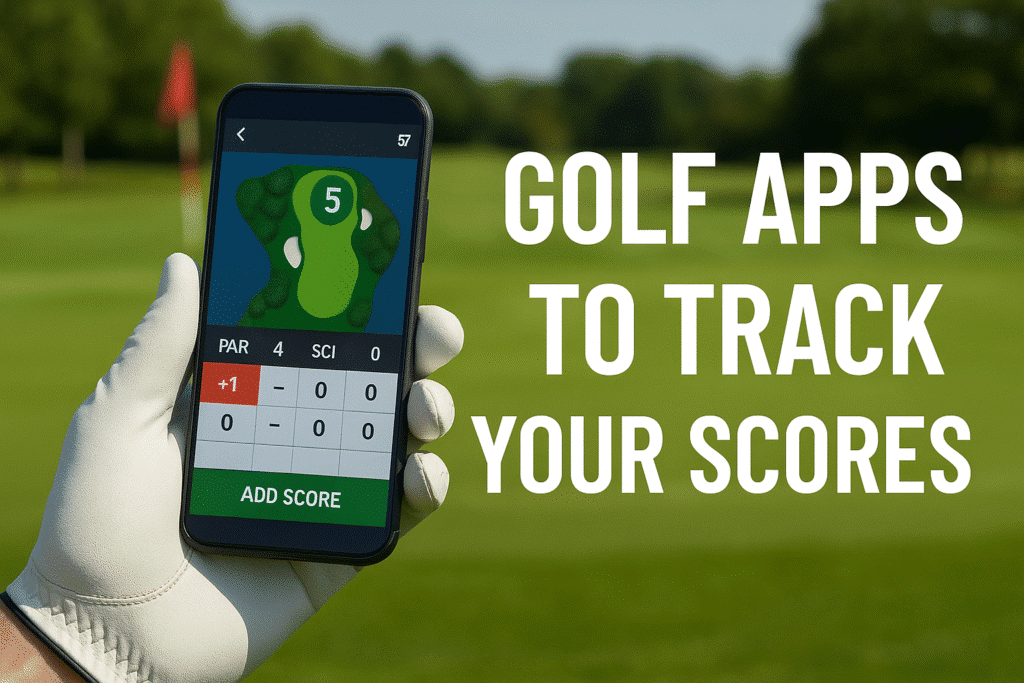
A golfer wearing a white glove holds a smartphone displaying a digital golf scorecard with GPS map on a lush green golf course, with the text "GOLF APPS TO TRACK YOUR SCORES" clearly visible beside the phone.

Top Golf Apps to Track Your Scores: My Top Picks

Find the best golf apps to track your scores and improve your game. Expert tips for beginners, app reviews, book recommendations, and gear links. Top Golf Apps to Track Your Scores: Tips for Beginners Golfers today often use golf apps to track your scores and improve their game. These apps let you keep score digitally, analyze stats, and even calculate handicaps automatically. Tracking your round on an app helps you spot patterns in your game and set clear goals for improvement. Whether you’re a beginner or weekend warrior, using a smart scorecard app makes scorekeeping easy and fun. Golf is a data-rich game, and recording scores is a proven way to improve. In fact, the National Golf Foundation reports that over 58% of golfers use apps for posting scores. Serious players know that keeping accurate stats – and reviewing them later – can reveal where you lose shots. The good news is you don’t need pen, paper, or guesswork. Modern golf apps to track your scores handle everything from hole-by-hole scoring to GPS distances automatically. Why Track Your Golf Scores? Tracking each round’s score can feel tedious, but it’s very valuable. Recording your scores lets you calculate your handicap, follow your progress, and pinpoint weak spots (say, you’re putting or driving). Using an app makes this process effortless. For example, Green Golfing Genius notes that “using a smartphone app or an official scorecard helps avoid mistakes” when recording scores. Apps also keep past rounds on file so you can see trends: Are you consistently 2 strokes over par? Which holes do you score best on? Besides error reduction, apps give quick stats like fairway hits, greens in regulation, or putts per hole. Many apps even adjust your score by course handicap automatically. In short, golf apps to track your scores help you manage your game like a pro. They often double as GPS yardage tools, so one app can handle both distance and scoring. As Golf Monthly explains, the best golf GPS apps on phones often include digital scorecards and statistics tracking as built-in features. This means you get the full picture of your round – shot locations, score, and data – all in one place. Top Golf Apps to Track Your Scores There are many apps on the market that serve as digital scorecards and performance analyzers. Here are five of the most popular golf score tracking apps that players love for their features and ease of use. Each of these lets you track your golf score hole-by-hole on your phone, with bonus tools like GPS and stats. 18Birdies (Best All-Around Free App) 18Birdies is a highly rated, free golf app that combines scorekeeping with GPS distances, stats, and social features. It lets you enter your score on a clean digital scorecard, then automatically calculates your handicap and tracks all your rounds. 18Birdies also provides distances to greens and hazards, and a “birdie streak” bonus point system to make rounds more fun. Many players like 18Birdies because it has a large course database and even offers contests. In short, it’s a complete package for tracking your game. Key feature: Built-in digital scorecard with GPS distances and club recommendations. (Free with optional premium upgrades.) Golfshot (Premium GPS + Scorecard) Golfshot is a powerful golf GPS app that also includes a detailed scorecard. It offers premium satellite hole maps and accurate yardages for every hole. As you play, you can tap in your score on screen. After the round, Golfshot gives you stats on fairways hit, greens, putts, etc. Because it syncs with your Apple Watch or phone, you can mark hazards and targets on the fly. Golfshot’s “Birdie” and “Booyah” options make scoring fun by awarding points. Golf Monthly notes that top apps like this give a clear view of the hole ahead and include scorekeeping functions. Key feature: Professional GPS maps plus digital scoring and stats. (Offers subscription for advanced features.) TheGrint (Top Handicap Tracking) TheGrint (pronounced “the-grunt”) is loved by golfers who want a full Handicap Index system built in. It acts as an official GHIN alternative, letting you post scores for your USGA handicap. You enter scores into its user-friendly scorecard and the app updates your handicap in real-time. TheGrint also provides GPS distances and shot tracking. It even has club performance stats. Many golfers like that it’s free to download and offers unlimited scoring and stats. Key feature: Official handicap tracking plus stat charts. (Free basic version; optional upgrades for GPS.) Hole19 (Popular Scorecard + GPS) Hole19 is a very popular free app with over a million users. It offers both a scorecard and GPS distances. As you round the course, you can tap in your score and see your cumulative stats for the day. Hole19’s map view shows green shapes and yardages to middle/front/back. It syncs with smartwatches too. A unique point: Hole19 lets you compare your score on a hole with other players on that course (if data is available). Many users say it’s simple and intuitive for score tracking. Key feature: Easy-to-use scorecard with live stats and hole maps. (Basic version is free; premium adds club recommendations and wind data.) SwingU (Comprehensive Free App) SwingU is another all-in-one app that started as a swing analyzer but now includes score tracking. It has a free digital scorecard, plus GPS distances and an analysis of your round. In your dashboard you can see how your strokes gained and scoring puts add up. SwingU offers tips and drills based on your data. For beginners and even intermediates, it’s useful because it helps you not only keep score but also improve with practice drills suggested by the app. Key feature: Scorecard plus personalized improvement tips. (Free core features; SwingU Pro version for more data.) Each of these golf apps to track your scores offers something slightly different, so try a couple to see which interface you like. Remember, you can always record scores manually later, but the smarter way is to enter them during or right

Top Golf Apps to Track Your Scores: My Top Picks Read More »

Cheap golf gifts under $50 – photo showcasing budget-friendly golf accessories including a black golf shoe, stainless steel water bottle, microfiber towel, golf balls, divot tool, tees, and a golf club arranged on green turf – ideal for golf lovers and holiday gift ideas.

Cheap Golf Gifts Under $50: Budget-Friendly Golf Gifts

Cheap golf gifts under $50? Check out these 10 affordable golf accessories (gloves, balls, umbrellas, and more) that any golfer will love! Let’s read the article. Cheap Golf Gifts Under $50: Top 10 Budget-Friendly Picks for Golfers Golf is booming – a record 28.1 million Americans played on-course golf in 2024. And golfers love gifts: 87% of avid players plan to spend as much or more on holiday gifts this year (about $934 on average). But golf gear can get pricey (green fees are up 15% since 2021). That’s why we’ve compiled this list of cheap golf gifts under $50. From gloves and balls to umbrellas and training aids, these budget-friendly picks cover every golfer’s needs. Each item is under $50 and highly rated, so you can give a great gift without overspending. Best Cheap Golf Gifts Under $50 1. EEZ-Y 58-Inch Windproof Golf Umbrella A large golf umbrella can shield a player from rain or sun.Stay dry on the course with a sturdy EEZ-Y 58-Inch Windproof Golf Umbrella. Its extra-large canopy (58″) and double-vented design protect golfers from rain and sun. Built with a strong steel frame, it can handle wind gusts without flipping. A comfortable rubber handle makes it easy to carry or attach to a cart. This umbrella is great for rainy rounds or sunny days (it even offers UV protection). Golf Tip: If rain is in the forecast, toss a golf umbrella in your bag. Staying dry helps you focus on your swing, not the weather. 2. Titleist Players Golf Glove (Men’s or Women’s) A snug leather golf glove provides a secure grip on the club.A quality glove is a must-have. The Titleist Players Golf Glove (men’s or women’s version) offers a snug fit and soft Cabretta leather. It wicks sweat and keeps your grip firm, perfect for warm weather. Many golfers carry multiple gloves, one for each hand or extra in case of rain. Lightweight and breathable, it’s ideal for spring and summer rounds. Golf Tip: Store your gloves in a cool, dry spot between rounds. A fresh glove improves grip and control on every shot. 3. Titleist TruFeel Golf Balls (12-pack) High-quality golf balls make a great gift for any player.Every golfer needs balls! The Titleist TruFeel Golf Balls (12-pack) are an affordable choice under $30. These balls have a soft feel and good distance, making them great for players of all levels. A matte finish (we offer them in white or red) helps you track the ball’s spin on the green. Twelve balls give plenty for practice sessions and competitive play. Golf Tip: Write your initials or a unique symbol on the ball. It helps avoid mix-ups and adds a personal touch to the gift. 4. Skylety Divot Repair Tool with Ball Marker Keep the greens in good shape with this handy Skylety Divot Repair Tool. Made of stainless steel, it folds for easy pocket storage. Use it to fix pitch marks on the fairway after you chip and pop out the magnetic ball marker to mark your putt line. Carrying a divot tool shows good course etiquette and is small enough to cost under $10, making it a perfect cheap gift. Golf Tip: Always repair your ball marks on the green. A quick push-down and push-in with the tool keeps the grass healthy for everyone. 5. LILIONGTH 3-in-1 Golf Club Cleaning Kit Keep clubs in top shape with the LILIONGTH Golf Club Cleaning Kit (3-in-1). It includes a nylon cleaning brush, a microfiber towel, and a tin of club polish. After a round, you can scrub dirt and grass from club faces with the brush, then buff with the towel and polish. Clean clubs swing better and last longer. This all-in-one kit (around $22) is a great gift for golfers who care about their gear. Golf Tip: Clean your clubs after each round. A quick wipe and brush keeps your clubfaces sharp and grips tacky, so your shots stay consistent. 6. Seticek 48-Inch Golf Alignment Sticks (2-Pack) For practice and training, these Seticek Alignment Sticks (2-pack) are perfect. Each 48-inch stick helps golfers work on aim and posture. Lay them down on the range to check your stance, swing line, or putting alignment. They’re made of lightweight fiberglass and collapse into a clear tube for easy storage. Training with alignment sticks helps improve both driving and putting accuracy. Golf Tip: Use one stick along your target line and another parallel to your feet. This visual aid helps you swing straight or putt on your intended line. 7. PuttOut Pressure Putt Trainer A fun and useful training aid, the PuttOut Pressure Putt Trainer simulates holing out on a real green. Its parabolic curved edge returns good putts back to you, giving instant feedback. Missed putts don’t return, so you quickly learn consistency. Made of durable plastic (elastomer and polycarbonate), it’s portable for home or office practice. This puts the “target” in putting practice. Golf Tip: Practice putting the ball back-and-forth between two PuttOut trainers. This builds a straight-back straight-through stroke. 8. SPEENSUN 5.9 Ft Golf Ball Retriever For those water hazards, the SPEENSUN Golf Ball Retriever is a lifesaver. Telescoping up to 5.9 feet, it helps you scoop balls out of ponds or ditches. The lightweight aluminum pole and stainless-steel scoop gently grab the ball (with an anti-slip handle to keep control). Now every lost ball is recoverable. This handy tool often surprises golfers who forgot how many balls they can save! Golf Tip: Rinse and dry any retrieved balls thoroughly before using them again. A quick clean ensures they perform like new. 9. KOBLEN 20 oz Golf Insulated Water Bottle Staying hydrated helps performance and focus. The KOBLEN 20oz Insulated Golf Water Bottle is a perfect companion for any round. It’s double-wall stainless steel with a vacuum seal, keeping drinks cold for up to 24 hours. The included straw lid makes sipping easy between shots. It’s sleek, durable, and fits most cart and bag pockets. Gift this to help golfers stay

Cheap Golf Gifts Under $50: Budget-Friendly Golf Gifts Read More »

Asian woman in white cap lying on golf course with golf balls and club.

Best Golf Balls for Lady Golfers: My Top Picks

Discover the best golf balls for lady golfers with reviews, pros, and buying tips. Find the perfect match for distance, feel, and performance on the course. Best Golf Balls for Lady Golfers: Best Golf balls for Your Accuracy Choosing the best golf balls for lady golfers can make a huge difference in distance, accuracy, and overall enjoyment of the game. Women typically swing a bit slower than men, so they often benefit from balls with lower compression and soft covers. These balls launch high, provide good feel, and help maximize carry for moderate swing speeds. Many models also come in bright colors or with alignment aids to suit women’s preferences and visibility needs. In this guide we review the top 7 women’s golf balls on Amazon, highlighting their features, pros, cons and ideal players. For more gear advice, see Green Golfing Genius’s Ultimate Guide: Best Golf Balls Review 2025 and their article on high-visibility golf balls for low-vision golfers. What Makes a Golf Ball Good for Women Golf balls for women often use a low-compression core (around 50–60) and a soft cover to deliver more distance and easier launch with slower swings. For example, TaylorMade’s Kalea ball has just 60 compressions to help generate extra lift on slower drives. Likewise, Srixon’s Soft Feel Lady ball uses a graded “Energetic Gradient” core and only 58 compressions to blend softness with ball speed, adding distance and higher launch for typical female swing speeds. Soft ionomer covers are common; they feel gentle on iron shots and putts while still giving adequate greenside spin. Bright colors (pink, yellow, orange) are also popular for easier ball tracking, as Bridgestone notes with its pink Lady Precept ball for better visibility. Many women’s balls even include bold alignment lines or printed graphics to simplify putting. In short, golfers should look for a ball with a soft feel, high launch, and good control, tailored to moderate swing speeds and visibility needs. Top 7 Golf Balls for Lady Golfers Below are our top picks for women’s golf balls, each reviewed with key features, pros, cons and recommended use cases. Wilson Fifty Elite Golf Balls Vice Drive Golf Balls Srixon Soft Feel Lady Golf Balls Srixon Soft Feel 12 Personalized Golf Balls (White) Callaway 2023 Supersoft Personalized Golf Balls Bridgestone 2021 Lady Precept Pink Golf Balls TaylorMade Golf Speed Soft Ink Golf Balls Visible balls (e.g. neon or bright colors) are often recommended – see our note on high-visibility balls. Conclusion The best golf balls for lady golfers share some key traits: they are soft, launch high, and provide enough distance for slower swings. All seven balls above fit that profile in different ways. The Wilson Fifty Elite and Vice Drive offer great distance and alignment aids on a budget. Srixon Soft Feel and Callaway Supersoft focus on ultra-soft feel and playability. The Bridgestone Lady Precept Pink and TaylorMade Speed Soft Ink cater specifically to women’s game with high launches or colorful designs. Ultimately, the choice depends on your swing speed and what matters most: distance, feel, or visibility. For example, high-visibility colors help track your shots. We recommend trying a few of these balls to see which feels best. And for a broader comparison, check out Green Golfing Genius’s Ultimate Guide to Best Golf Balls 2025 – it examines top balls across all brands and provides more insights on performance.

Best Golf Balls for Lady Golfers: My Top Picks Read More »

Peaceful landscape of a golf course with sand trap and distant forest at dawn.

Chambers Bay Golf Course: A Pacific Northwest Links Gem

Explore Chambers Bay Golf Course—world-class public links in Washington with stunning views, walkable fairways, and championship history. Chambers Bay Golf Course: A Legendary Golf Experience Nestled on the scenic shores of Puget Sound near Tacoma, Washington, Chambers Bay Golf Course is a bucket-list destination for golf travelers, beginners, and families alike. This publicly owned 18-hole course delivers an authentic Scottish-links style experience with towering dunes, fescue-lined fairways, and panoramic water views​. From hosting the 2015 U.S. Open to welcoming daily-fee golfers of all ages, Chambers Bay strikes a rare balance between championship prestige and family-friendly accessibility. In this guide, we’ll explore what makes Chambers Bay special, how to plan your visit, and tips to prepare for an unforgettable round. Why Visit Chambers Bay Golf Course Chambers Bay isn’t just another golf course – it’s an award-winning links masterpiece that has quickly earned legendary status. Opening in 2007 on a former sand quarry, Chambers Bay was designed by Robert Trent Jones Jr. to test the world’s best while remaining playable for amateurs. It was named America’s Best New Public Course of 2008 by Golf Digest, even before hosting major tournaments​. In fact, Chambers Bay was chosen to host the 2010 U.S. Amateur and became the first course in the Pacific Northwest to welcome the U.S. Open Championship in 2015​. What draws visitors from around the globe is the course’s dramatic beauty and unique setting. The layout winds along two miles of picturesque shoreline on south Puget Sound, with every hole offering either a stunning water vista or a backdrop of rugged sand dunes​. Impressively, there is only one tree on the entire course (a lone Douglas fir next to the 15th green), so nothing blocks the sweeping views​. Golfers often pause to soak in sights of the bay and snow-capped Olympic Mountains in the distance. It’s a photographer’s dream and an unforgettable place to introduce kids or newcomers to the grandeur of golf. Despite its championship pedigree, Chambers Bay prides itself on being open to everyone. Golfers of all skill levels are welcome, and juniors and beginners will find the vibe refreshingly friendly. In fact, the design’s generous features – such as massive fairways and very little water or dense rough – mean that even newer players can enjoy a round without constant fear of lost balls​. The course was built with the public in mind, and it shows: this is a county-owned facility where a family outing or a beginner’s first 18 holes can happen on the same fairways trod by U.S. Open champions. History and Legacy of Chambers Bay Golf Course Chambers Bay may be young, but it has a rich history packed into just a few years. The course officially opened on June 23, 2007,​ after Pierce County spent years transforming the abandoned Steilacoom quarry into a golfer’s paradise. Famed architect Robert Trent Jones Jr. and his team shaped the 250-acre site into a “vertical links” style course, moving tons of earth to create the illusion of a timeless natural landscape. ​Their vision paid off spectacularly – within months of opening, Chambers Bay was attracting national praise and major events. By 2010 it hosted the U.S. Amateur, and in June 2015 it stepped onto the world stage with the U.S. Open. Chambers Bay History The 2015 U.S. Open cemented Chambers Bay’s legacy. Televised globally, it showcased the course’s challenging greens and striking visuals (brown fescue and all) and produced a dramatic finish, with 21-year-old Jordan Spieth emerging as champion. This historic Open was a milestone: never before had the Pacific Northwest hosted the U.S. Open, and Chambers Bay proved a worthy (if sometimes controversial) venue. The tournament was not without criticism – some players complained about bumpy greens – but it put Chambers Bay on the map for good​. In response, course managers even renovated the greens with new turf in 2019 to ensure world-class conditions going forward​ For golf fans, part of Chambers Bay’s allure is the chance to walk in the footsteps of legends. The course retains touches of Open history, including a plaque in the 18th fairway marking where Spieth hit his iconic 3-wood shot during the final round​. Yet for all its fame, Chambers Bay remains extremely accessible. Any golfer can book a tee time and literally play the same course that crowned a U.S. Open champion – a thrill usually reserved for private clubs or far more expensive resorts. This blend of public access and major championship heritage makes Chambers Bay Golf Course truly special. How Much Does It Cost to Play a Round of Golf at Chambers Bay? The cost to play a round at Chambers Bay Golf Course varies depending on the season, residency, and day of the week. For out-of-state visitors, green fees typically range from $150 to $200 during the high season (spring and summer). If you’re a Pierce County resident, you may qualify for discounted rates starting around $90 to $120. Chambers Bay also offers special rates for juniors, twilight rounds, and promotional deals at certain times of year. Keep in mind, the course is walking-only, so caddie services (optional but highly recommended) will cost extra—around $50 to $60 per bag, plus tip. You can also rent premium push carts or clubs if needed. For the full experience, many visitors opt for a morning tee time followed by lunch at the Chambers Bay Grill, making it a memorable day of golf on one of the country’s top public courses. Layout and Design: A Links Test with a Friendly Side Stepping onto Chambers Bay, you might think you’ve been transported to Scotland. The course layout features rolling fairways, giant sandy waste areas, and slick greens, all fanned by coastal breezes. It’s a par 72 that can stretch over 7,500 yards from the tips​, with huge elevation changes as it climbs and dips through dunes and hollows. You’ll hit toward artful bunkers the size of small beaches, and putt on massive undulating greens that can challenge even pros. In

Chambers Bay Golf Course: A Pacific Northwest Links Gem Read More »

one man and woman is playing in a golf course and a flag in golf course

How to Choose Best Waterproof Golf Shoes for Men

Learn how to pick the perfect pair of waterproof golf shoes for mens that blends comfort, durability, and style. Stay focused on your game, no matter the weather! How to Choose Best Waterproof Golf Shoes for Men: My Top Picks In golf, selecting the right footwear is just as important as having the best equipment. Waterproof golf shoes are essential for keeping you comfortable and dry when playing in wet conditions. Whether it’s raining or the course is damp from morning dew, waterproof shoes provide the protection and support you need to perform at your best on the course. These shoes are intended to keep your feet dry and comfy for extended hours on the course, letting you to concentrate completely on your game. With the correct waterproof golf shoes, you may play comfortably in any weather without fear of pain or water penetration. Benefits of Waterproof Golf Shoes Besides golf bags, or golf hats, shoes are indispensable. Designed to give great comfort and support as well as protection from damp weather, waterproof golf shoes These shoes are made with technologies and materials meant to stop water from seeping in, thereby keeping your feet dry all throughout your game. Choosing waterproof golf shoes offers these few main advantages: Keeps Your Feet Dry The apparent benefit of waterproof golf shoes is how dry they keep your feet. These shoes provide a barrier against water, thereby ensuring your feet stay comfortable and free from pain whether you’re playing in a light rain or walking over morning dew. The clever waterproof membranes—including Gore-Tex—offer long-lasting protection without compromising breathability. Improves Efficiency Your performance could suffer if your feet are dry as you are less prone to feel pain or distractions. Particularly on wet terrain, waterproof golf shoes provide great stability and grip, therefore allowing you to concentrate on delivering your strokes. More consistent gaming results from this increased confidence. Durability and Longevity Made from premium materials that not only withstand water but also the wear and tear of regular usage, waterproof golf shoes often include For golfers who play year-round, these shoes are a great purchase as, with good maintenance, they may last much more than ordinary shoes. The strong structure also lowers the possibility of water leaks, therefore guaranteeing the shoes’ lifetime performance. Comfort in All Weather Conditions Waterproof golf shoes are adaptable and perfect for all kinds of weather. These shoes keep you comfortable whether it’s pouring fiercely or the grass is moist, therefore preventing chilly and soggy feet. They so let you play irrespective of the prediction. Prevents Blisters and Chafing Wet feet might lead to blisters and chafing, therefore impairing your ability to concentrate on your game. Made to stop moisture from seeping into your socks, waterproof golf shoes help to lower your risk of skin irritation. Players that spend several hours on the course and must prevent pain that may slow them down will find this function extremely helpful. Top 7 Best Waterproof Golf Shoes for Men Choosing the correct waterproof golf shoe may significantly improve your game, keeping you comfortable and dry regardless of the weather. The following are the best 7 waterproof golf shoes for men, each with distinct characteristics to satisfy the needs of each player. Whether you want luxury comfort or durability, these shoes will fulfill your expectations. FootJoy DryJoys Tour The FootJoy DryJoys Tour is a popular model noted for its comfort, design, and enhanced waterproof protection. These shoes, which use the brand’s exclusive DryJoys technology, are designed to survive damp conditions while providing exceptional cushioning for extended hours on the course. They are ideal for golfers seeking a sturdy and fashionable alternative. Adidas Tour360 XT With full-grain leather and Climaproof technology, Adidas Tour360 XT offers a great degree of waterproofing combining performance and contemporary appearance. Professional golfers especially like these shoes because of their strong grip and fashionable look. The shoes are meant to be comfortable and stable while also performing in a range of environments. Nike Air Zoom Infinity Tour Golfers looking for lightweight shoes without compromising support and waterproofing have a great option in the Nike Air Zoom Infinity Tour. Their synthetic top and Zoom Air cushioning provides better grip and a responsive feel on the course. Players who want a sleek, performance-driven look will find exceptional fit in these shoes. ECCO Biom Hybrid 3 ECCO Biom Hybrid 3 guarantees long-lasting protection against the elements by means of an ergonomic design with Gore-Tex waterproofing. These shoes are well-known for their great comfort; its biomechanical form encourages natural foot movement. For golfers who value comfort above all else, they are ideal as they still have waterproof capability. Puma Ignite PWRADAPT Puma Ignite PWRADAPT has outstanding flexibility and grip on the course with its PWRADAPT sole and waterproof top. Golfers who desire a flexible and comfortable solution with a design that strikes performance against style will find these shoes perfect. Those who search for a more reasonably priced waterproof shoe really like them. Under Armour Spieth 3 Designed for serious golfers, the Under Armour Spieth 3 has improved stability elements and waterproof materials. Players who need support and durability will find these shoes ideal as their elegant design does not compromise performance. Their UA Storm membrane from the company offers outstanding wet weather protection. New Balance Miniums SL More reasonably priced and yet providing dependable waterproofing and comfort is the New Balance Minimus SL. Golfers who want a more understated look will find these lightweight, flexible shoes ideal. Long rounds provide comfort by means of the waterproof leather and mesh structure, which also offer moisture protection. How to Care for Waterproof Golf Shoes Proper upkeep is vital to ensuring that your waterproof golf shoes last as long as possible and continue to function well. Here are some recommendations on how to maintain your shoes: Find out more Golf tips HERE! Conclusion When it comes to improving your golf game, the appropriate footwear is vital to your entire performance. Waterproof golf shoes not

How to Choose Best Waterproof Golf Shoes for Men Read More »

a man wears white color golf caps and walking in a golf course

Essential Golf Caps for Men to Elevate the Game

Upgrade your game and comfort with premium golf caps for men. Choose the right cap to complete your style and improve your performance on the golf course. Essential Golf Caps for Men to Elevate the Game: My Top Picks More than simply a tool, golf hats are a main component of a golfer’s outfit as they combine fashion with utility. Apart from their functional purposes, golf hats can represent personal style and may improve a golfer’s whole look, therefore presenting them professional and polished image. Modern golf hats are very essential for both amateur and professional golfers as material science has advanced and they now include UV protection and moisture-wicking textiles. Selecting the correct golf cap is about more than simply appearance; it’s about selecting a dependable friend that improves your confidence and performance on the course. Benefits of Wearing a Golf Caps for Men Golf hats are a vital component of a golfer’s attire, providing a combination of usefulness and flair. They not only improve performance by offering comfort and protection, but they also boost a golfer’s confidence, making them seem professional and prepared for the course. Sun Protection One of the easiest methods to protect oneself from dangerous UV radiation during extended on-course hours is by using a golf hat. A decent cap covers your most sun-exposed areas—that of your face, neck, and head. This shielding greatly lowers the danger of sunburn and long-term skin damage including early aging or maybe skin cancer. Many contemporary hats include sophisticated UV-blocking materials, which provide an additional degree of environmental protection. Reducing sun exposure can help you concentrate better on your game free from heat or glare’s discomfort. In the end, a golf hat guarantees your health and protection even while you enjoy the outside world. Improved Focus By helping to filter strong sunlight and glare, a golf hat helps golfers focus better on their golf swings and strokes. This improved concentration is very vital, particularly for putts or ball drives requiring accuracy. By using moisture-wicking technology, the hat also keeps perspiration away from the eyes—a typical distraction during fierce games. Clear views and less distractions let golfers make more deliberate and certain course selections. Better general performance and a more fun game may then follow from this enhanced focus. Enhances Style and Confidence Golf hats are statements of professionalism and elegance rather than just practical accessories. Choosing a well-fitting hat may make a player feel more confident, therefore guiding their preparation and presentation. From sleek and understated to bright and athletic, modern designs satisfy a range of preferences so golfers may show their uniqueness. A fashionable hat may also accentuate a golfer’s outfit and provide a coordinated and sophisticated look. In golf, confidence is quite important, hence appearance helps to improve performance on the course. Top 7 Golf Caps for Men Choosing the ideal golf cap requires finding one that strikes a mix of comfort and design. Five excellent golf hats for guys are included here; each one has special qualities that improve performance and accentuate your own style on the course. Titleist Tour Performance Hat Titleist is best Golf caps for men for all season. This premium hat is designed for professional golfers who value both function and style. Made of lightweight, breathable polyester, it provides outstanding comfort for long days on the course. Its classic shape and distinctive Titleist emblem make it a must-have for every golfer’s collection. Nike AeroBill Classic 99 Cap Nike cap is most affordable Golf caps for men. Modern technology combined with a sleek, sporty style forms Nike AeroBill Classic 99. This hat guarantees rapid drying and absorption of sweat by Dri-FIT fabric, therefore maintaining players’ coolness and concentration. Its elastic fastening and low weight provide a pleasant, safe fit for any head size. Callaway Heritage Twill Cap For golfers who like a classic look, the Callaway Heritage Twill Cap appeals as a mix of comfort and history. Its flexible strap and soft cotton composition provide comfort and a close fit. The modest embroidered logo lends a bit of refinement, which qualifies for both business and leisure. TaylorMade Performance Cage Hat Designed for golfers giving performance first priority, the TaylorMade Performance Cage Hat blends durability and utility. Whereas the moisture-wicking sweatband keeps players dry during intensive games, the structural construction preserves its form over time. Its understated look guarantees it fits well with any kind of golf clothing. PUMA Golf Hat Excellent performance characteristics paired with a sporty, modern appearance define the PUMA Golf Hat. Designed from a flexible cloth, it fits tight and has moisture-wicking technology to keep you cool on hot rounds. Your golfing clothes gains some flare with the fashionable PUMA logo of the hat. Under Armour Men’s Blitzing 3.0 Cap Budget-conscious golfers choose Under Armour Men’s Blitzing 3.0 Cap because it finds the ideal mix between cost and quality features. Its UA Microthread fabric guarantees exceptional elasticity and breathability, thereby providing comfort all while your game. The built-in HeatGear sweatband effectively controls moisture, therefore maintaining dry and concentrated face. Adidas Golf Ultimate 365 Hat Adidas hat is one of the most popular Golf Caps for Men. The Adidas Golf Ultimate 365 Hat is intended for players who prioritize comfort and utility. It has a moisture-wicking fabric that keeps perspiration at bay and ensures a cool, dry fit all day. The sleek, sporty style, along with an adjustable clasp, makes it ideal for players of any size. How to Choose the Right Golf Caps for Men for Your Needs Choosing the right golf hat is crucial for comfort and performance on the course. A well-fitted, practical hat not only improves your look but also protects you from the weather, allowing you to remain focused and comfortable during your game. With so many alternatives accessible, it’s critical to weigh various variables before making a choice. More Factors to Consider for Choosing Right Golf Caps for Men Discover more golf tips on Green Golfing Genius! Conclusion A high-quality golf hat is more

Essential Golf Caps for Men to Elevate the Game Read More »

two man carries walking golf bags in their shoulder

Best Walking Golf Bags 2025: Ready for Your Next Match

Best walking golf bags of 2025 for comfort, style, and convenience. Let’s check out and find out the most suitable golf bags for you! 7 Best Walking Golf Bags 2025: Ready for Your Next Match Preparation A good walking golf bag can dramatically transform your golf playing experience. It not only makes it easy to carry around but also keeps its contents organized and easily accessible. Both a novice golfer and an expert golfer need to carry comfortable walking in their walking bag. This article will highlight the seven best walking golf bags in 2025, showcasing features that set them apart to give you a better time on the course. 1. Jones Golf Carry Bag The bag features three pockets for ample storage, a mesh beverage sleeve, and an interior phone compartment for easy access to essentials. Its retro single strap and unstructured body bring a simple, stylish touch to the game. The Jones Players Series bag simplifies your gear while stepping up your style. 2. Callaway Fairway C Golf Bag This Callaway Fairway C Stand Golf Bag is the best walking golf bags of all, meant just for you. It provides maximum convenience and comfort on the course. Made of synthetics and imported, the product features a new compact 4-way top with full-length dividers for compartmentalized organization. The new metal zip pulls, and the alloy towel ring are durable and convenient. In addition, quick clips make it easy to adjust and carry this hardware single-strap ready. Also, the fabric is rugged and durable, so it will last you a long time. 3. GoHimal 14-Way Golf Stand Bag The GoHimal 14-Way Golf Stand Bag features 14 individual compartments to keep clubs organized and prevent damage. Weighing just 5.5 pounds, it’s made of durable materials with convenient top handles for easy transport. It includes multi-functional pockets like a cooler pocket and shoe compartment, plus a rain hood cover and towel ring. Also, the adjustable dual straps and extra thick hip pad provide comfort while carrying, and the high-strength polyester and waterproof materials ensure long-lasting use and protection from the elements. 4. Sunday Golf Loma XL Bag The Sunday Golf Loma XL Bag is a lightweight, minimalist bag that holds up to 8 clubs and features a 3-way divider. It includes a double adjustable strap for easy carrying and a velour-lined valuables pocket for safe storage. The frost pocket keeps drinks cold, holding 3 cans of your favorite beverage. Also, weighing only 3.3 pounds, it’s perfect for a round at an executive or par 3 course. 5. EagleGlo Golf Bag – Prowhithlin The EagleGlo Golf Bag is a durable, lightweight bag made from the toughest nylon, which features dual density padding to secure your clubs and a non-slip bottom for stability. It fits 8-10 clubs and has 3 front pockets for all your essentials. Plus, the adjustable straps and side handles make it comfortable and convenient to carry it along. Weighs in at just 0.95 lbs it is great for travel and easily fits into any small place. In addition, it does come with great after-sales service, replacement and warranty options. 6. Women’s Ultralight Sunday Bag – Taboo Fashion This Women’s Ultralight Sunday Bag – Taboo Fashion weighs in at a mere 1.8 lbs. It comes with an attachable sling shoulder strap for easy carrying and has AutoFlex legs for comfortable call-up and knockdown. The bag is specifically made for women in eye-popping colors with a unique pattern, so it makes a good gift. There is a 2-club organizer inside the bag which can take up to 8 clubs, and there is a big front pocket for storage. It is made from water-resistant/fade-resistant fabric and is great for shorter games, driving ranges, and par 3s. Furthermore, it has adjustment straps and a comfortable, easy-grip handle. 7. Orlimar Pitch ‘N Putt Carry Golf Bag The Orlimar Pitch ‘N Putt Golf Carry Bag is an ultra-lightweight option weighing just 1.95 pounds, making it ideal for a day at the driving range, executive golf courses, or short rounds. It features a two-way divider top that fits 6-7 clubs comfortably. The bag offers dual carrying options: an adjustable shoulder strap and a convenient carry handle. Perfect for cart paths only, the sturdy handle allows you to easily take a few clubs across the fairway. It includes one accessory pocket for essentials like balls, tees, and a ball marker. The retractable legs provide support for easy access. 8. Tips for Choosing Best Walking Golf Bags Choosing the best walking golf bags indeed requires a number of considerations in order to ensure a pleasant and effective golfing experience. Here are 5 tips for choosing the ideal bag for you: 8.1. Weight of the Bag It is probably the most important factor considering the weight of the bag; this will affect how comfortable carrying it will be throughout all your rounds. Ideally, you want to propose bags that weigh anywhere from 3.5 to 6.5 lbs. Tour travel bags are mostly crafted with lightweight materials, such as nylon and polyester. 8.2 Strap Design A walking bag should be equipped with adjustable double strap padding which shall help to lessen stress caused by carrying a bag on one’s shoulders and back. Look for those well-padded straps for extra comfort. 8.3. Number of Dividers To keep your bag organized according to the number of clubs you are intending to carry; you should have enough dividers in the bag. 2 to 4 dividers are enough to cause clash damage to clubs. 8.4. Capacity and Storage Pockets The bag should be spacious enough to accommodate the all-important essentials like balls, tees, a wallet, and tools. Two extra exterior walls or other pockets make it more easily organized and readily accessible. 8.5. Style and Design Pick out a design that fits your personality when choosing a golf bag. Good looking bags work wonders for boosting your confidence when it comes to swinging your clubs on the course, making your experience even more enjoyable. Having

Best Walking Golf Bags 2025: Ready for Your Next Match Read More »

Green Golfing Genius is your go-to resource for eco-friendly golfing tips, sustainable gear, and innovative ideas to elevate your golf game while caring for the environment. Discover a greener way to golf!

Quick Links

Recent news

  • All Post
  • Adventure place
  • Blog
  • Review
  • Road Trip

Copyright © 2025 Green Golfing Genius